


The ICOM-ITC November 2018 Training Workshop from 13 to 22 November has come to a close at Fujian Museum . This is the first time that the ICOM-ITC has launched a training workshop in a Chinese city outside Beijing. So far, the ICOM-ITC has organized 11 regular training workshops.
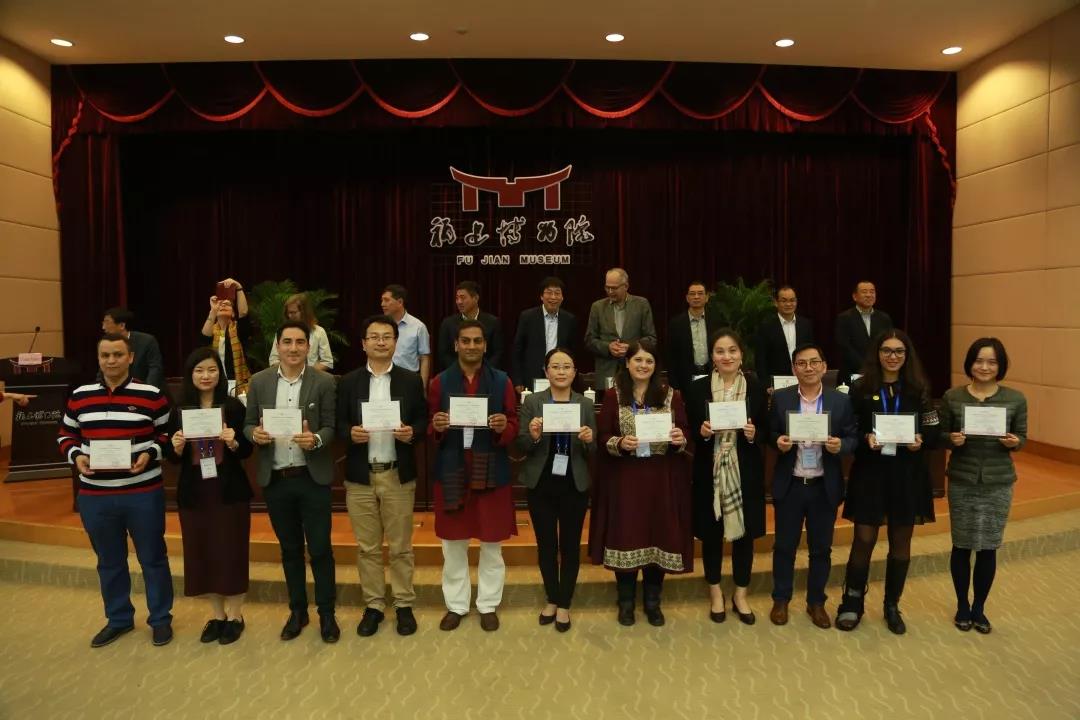
结业仪式颁发证书
国际博协培训中心在博物馆领域建立了良好的声誉,其影响力和辐射范围不断扩大。本期招收31名学员,包括来自国内9省市不同机构的15名中国学员和来自亚非欧拉的16名国际学员。其中,来自海地和摩洛哥的3名学员为其所在国首次参与培训的人员。截至目前,培训中心的培训范围已扩展至世界五大洲72个国家。
With expanding influence and scope, the ICOM-ITC has established a good reputation among domestic and international museums. This workshop plays host to 31 participants—15 Chinese participants from different institutions in 9 provinces and 16 international participants from countries in Asia, Africa, Europe and Latin America. By welcoming three participants from Haiti and Morocco for the first time, the ICOM-ITC has expanded its training coverage to 72 countries around the world.
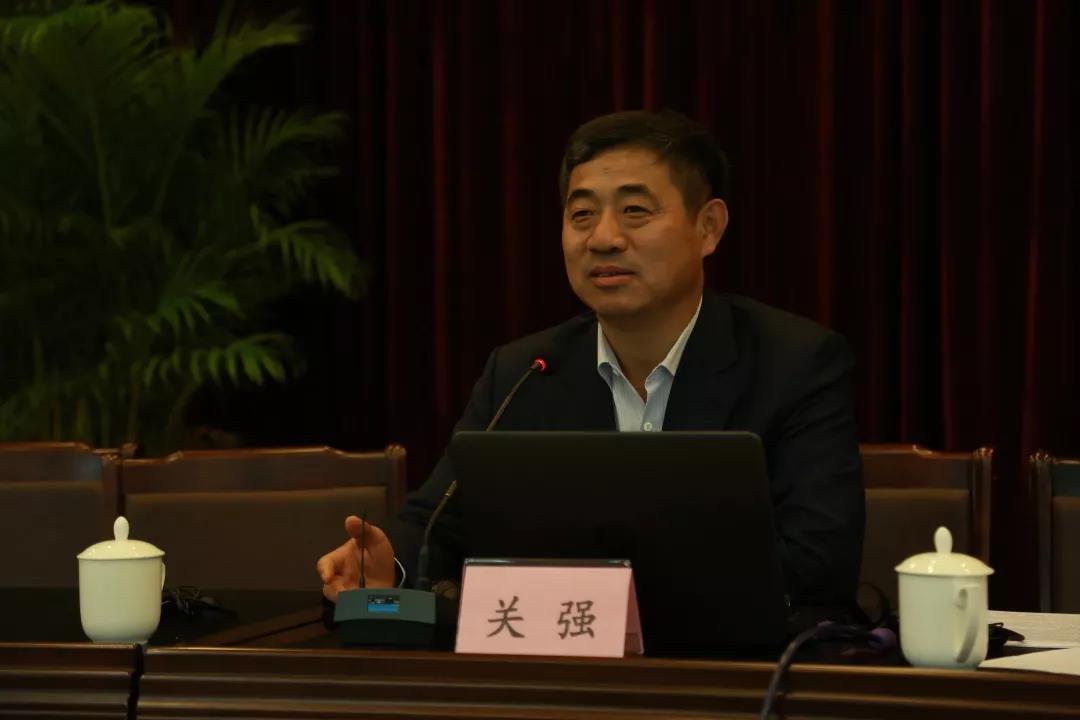
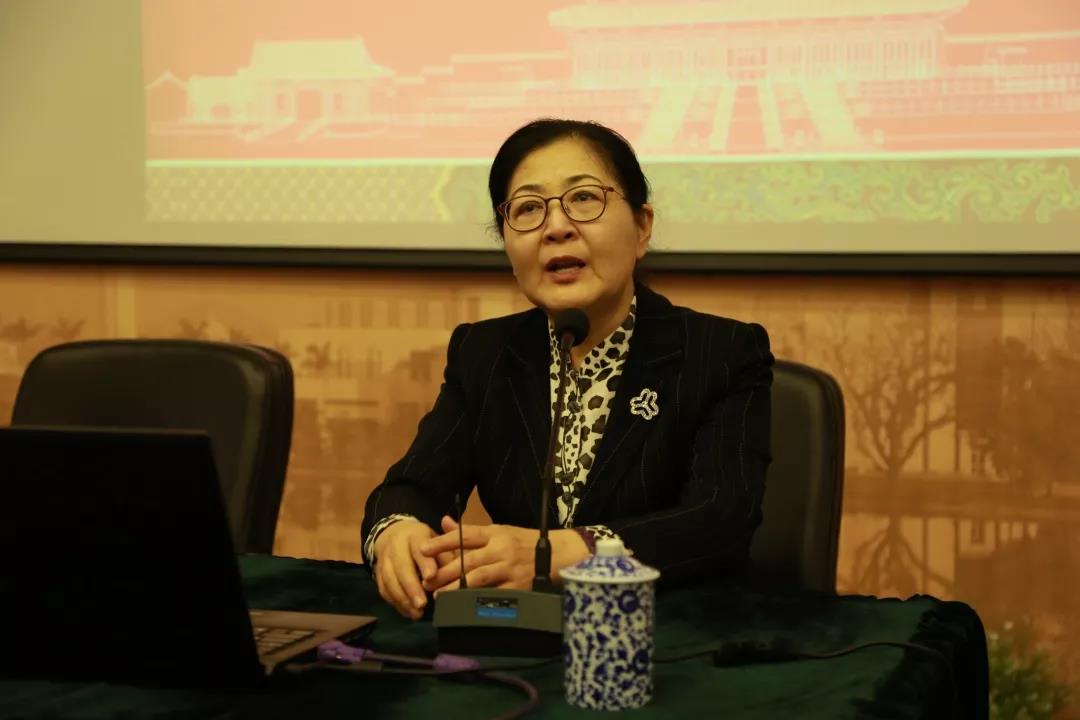
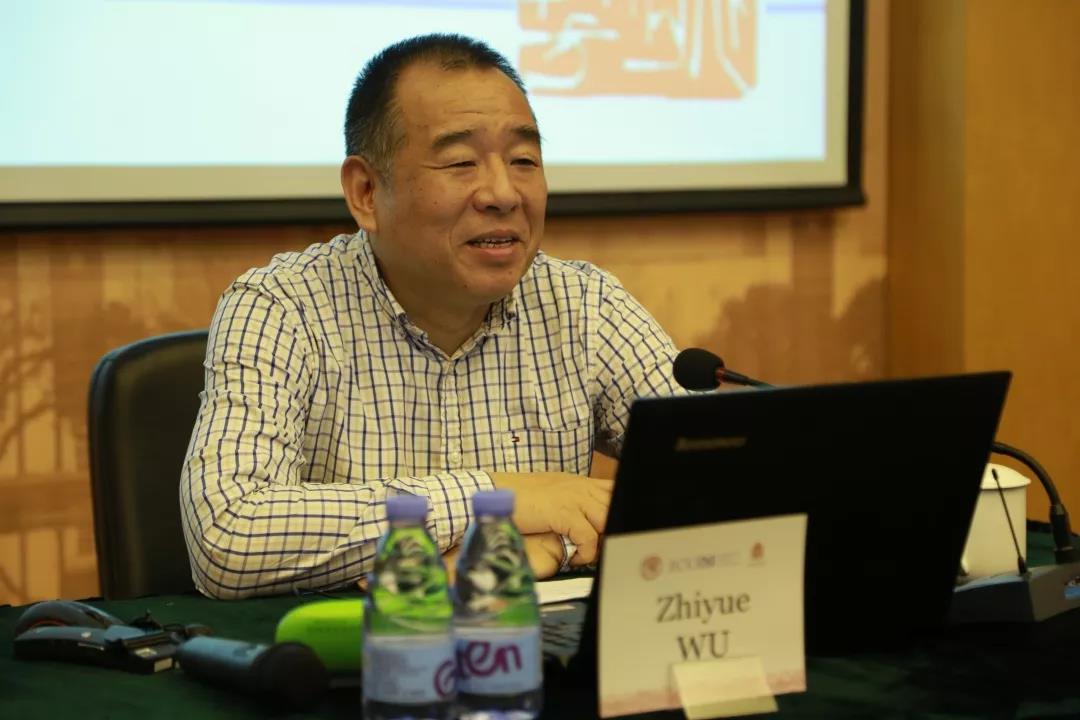
中国专家授课
围绕本期培训主题“博物馆宣传推广:提升相关性与吸引力”,7位中外专家分别结合自己的工作实践,从博物馆品牌建设、市场营销、公共关系和吸引新观众的策略等专题展开课程。
Centering on the workshop theme “Promoting your Museum: Make it Relevant and Attractive”, seven experts from home and abroad gave lectures on varied topics, including museum branding, trends in marketing, public relations and strategies to attract new audiences based on their practices and experiences.
国家文物局副局长关强从国内政策法规、行业监管、业务规范和宣传推广等方面,详细介绍了中国博物馆的发展现状。故宫学院院长、国际博协培训中心主任宋纪蓉讲述了故宫文物医院的建立与发展,包括文物医院的发展基础、科学构建、故宫文物的预防科学以及文物医院的发展现状。福建博物院院长吴志跃分享了社会发展中许多创新发展的实例,认为创新引领博物馆发展,博物馆应在展览策划、服务品牌、产业发展和管理模式四方面加强创新。
Mr. Guan Qiang, Deputy Director of the State Administration of Cultural Heritage, gave a detailed introduction to the development of Chinese museums in terms of domestic policies and regulation, industry supervision, conduct codes and museum promotion. Dr. Song Jirong, Director of Gugong Institute and Director of the ICOM-ITC, elaborated on the establishment and development of the Hospital for Conservation at the Palace Museum, including its foundation, well-designed constitution, preventive conservation methods and development. Mr. Wu Zhiyue, Director of Fujian Museum, gave many relevant examples to demonstrate how innovation drove museum development, especially the innovative initiatives in exhibition planning, service branding, industry development and management models.
国外专家授课
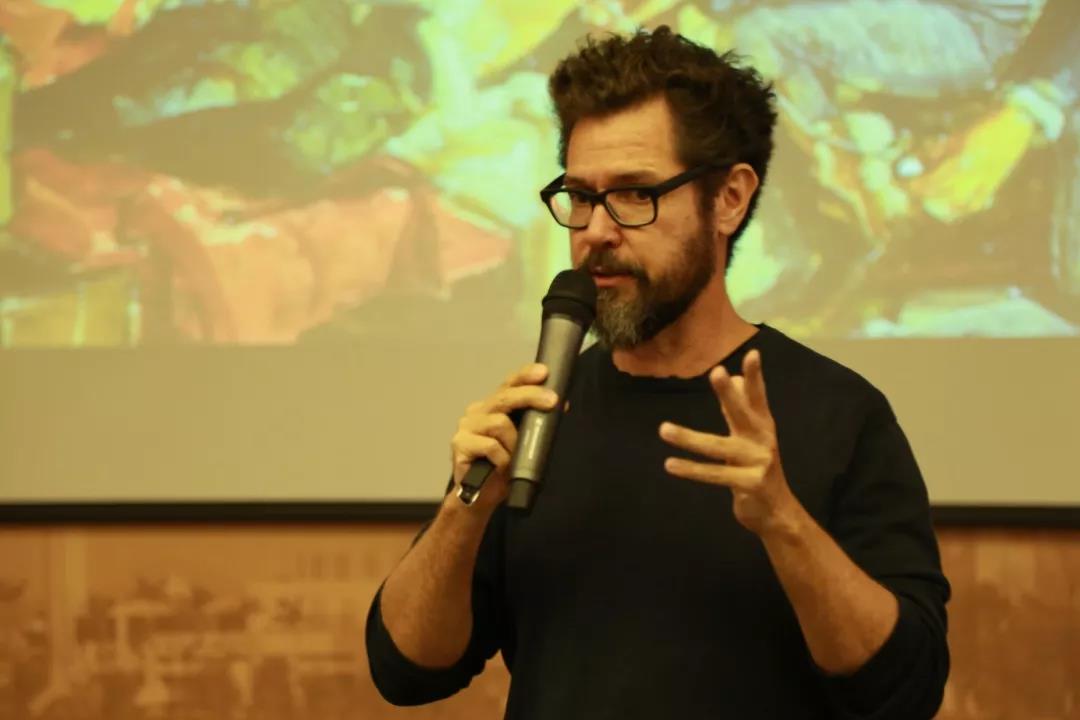
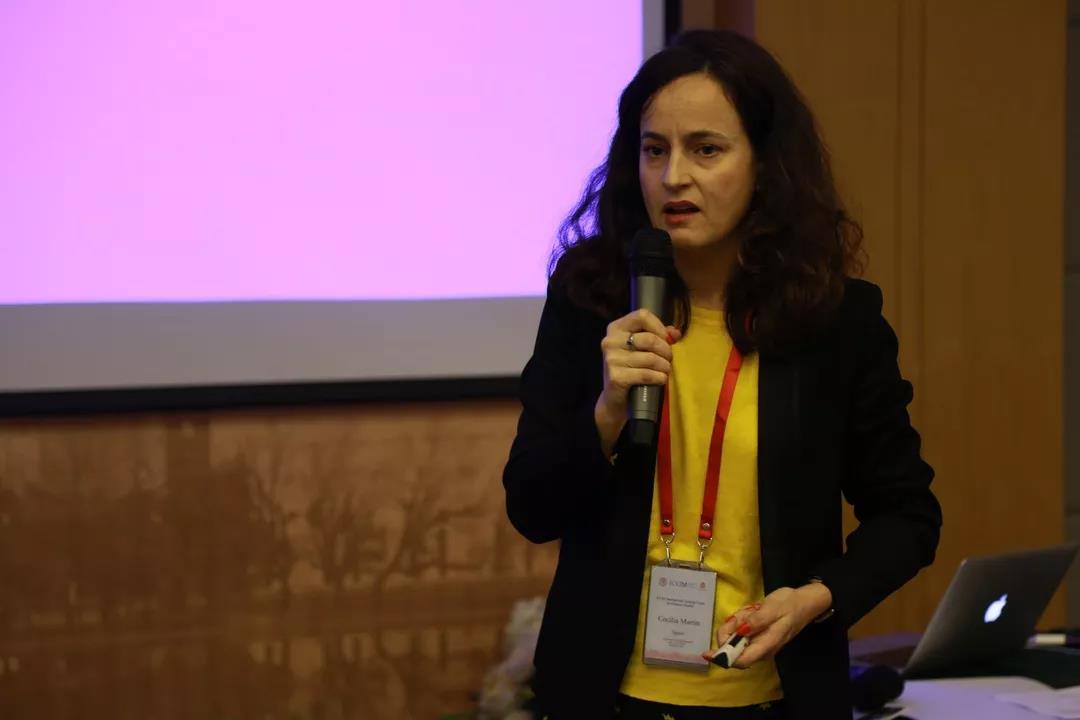
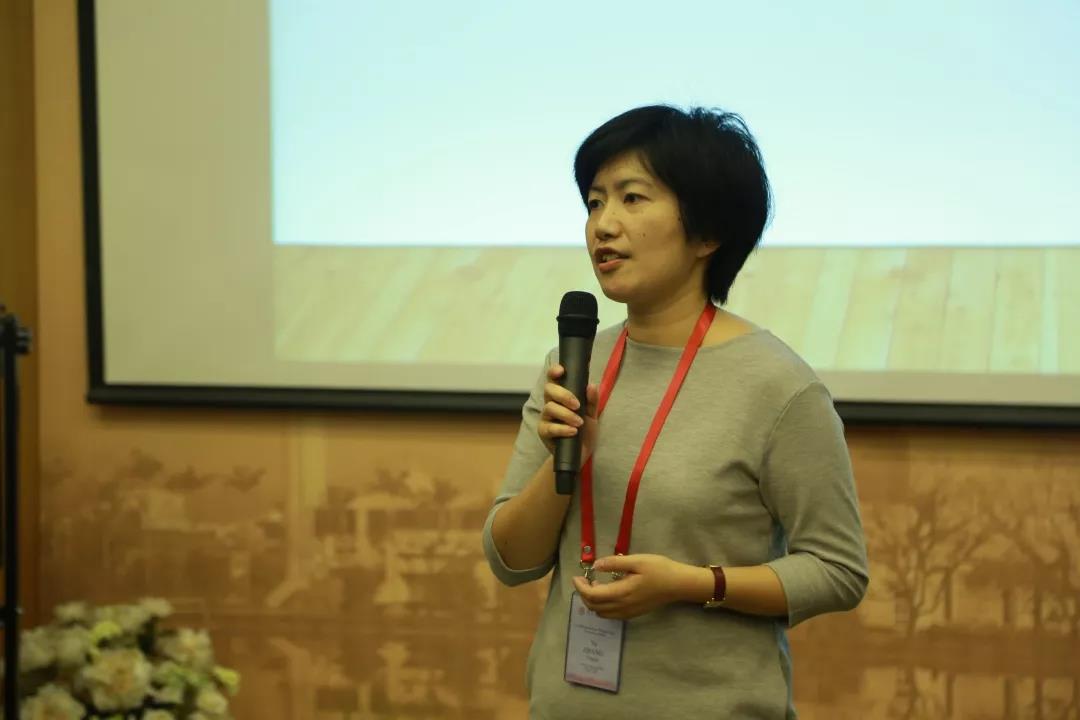
巴西文化机构咨询顾问路易斯·马塞罗·门德斯探讨了博物馆品牌推广的新形态,鼓励学员通过实地考察、调查研究和数据分析等方式,真正认识到博物馆的优势与不足、潜在观众群体和未来发展趋势。西班牙熔岩工作室联合创始人塞西莉亚·马丁以千禧一代思维模式为切入点,指出博物馆要了解观众的喜好与需求,并在社交媒体上创造热门换话题来吸引不同受众。法国羽文化创始人张羽结合自己丰富的实践经历,分享了她在博物馆宣传推广、经费运营、道德规范、展览交流方面的独到见解。
Mr. Luis Marcelo Mendes, Consultant to Cultural Organizations, discussed a new shape of museum branding and encouraged participants to truly recognize a museum’s strengths and weaknesses, its potential audience and future trends through observation, communication and data analysis. Ms. Cecilia Martine, Co-founder of Lava Lab, started her session with an introduction of the millennial mindset, pointing out that museums should understand the audience's preferences and needs, and create catchy content on social media for different audiences. Ms. Zhang Yu, Founder of Yu Culture, shared her practical experiences and insights on the topics of museum branding, funding, ethics, as well as marketing and communication around an exhibition.
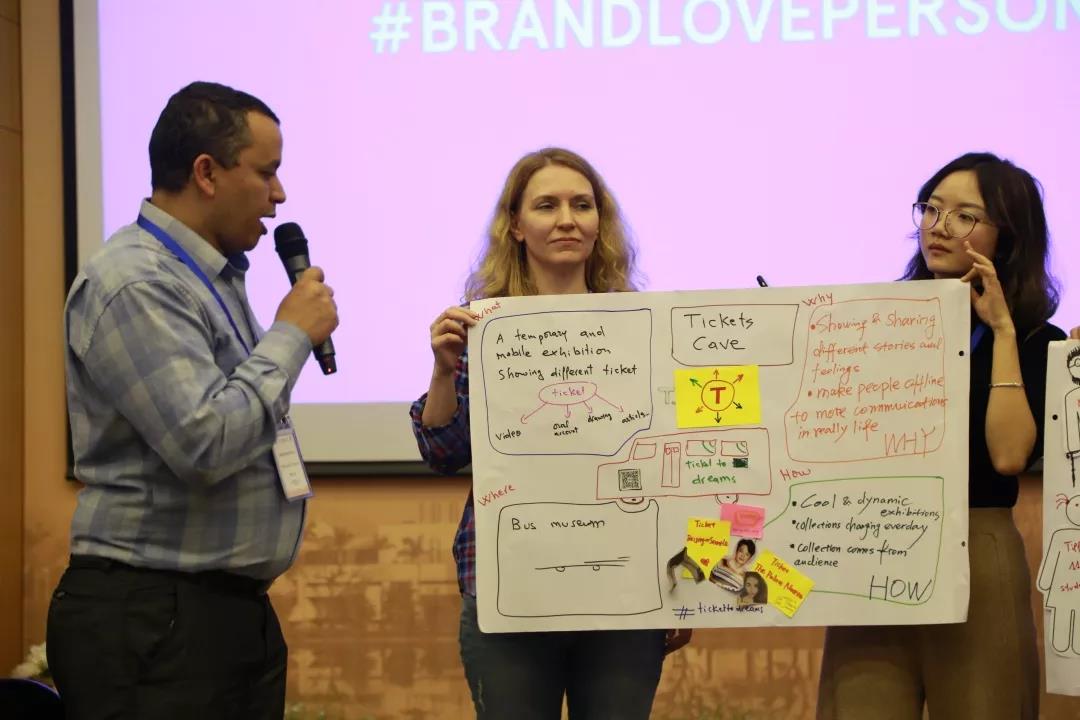
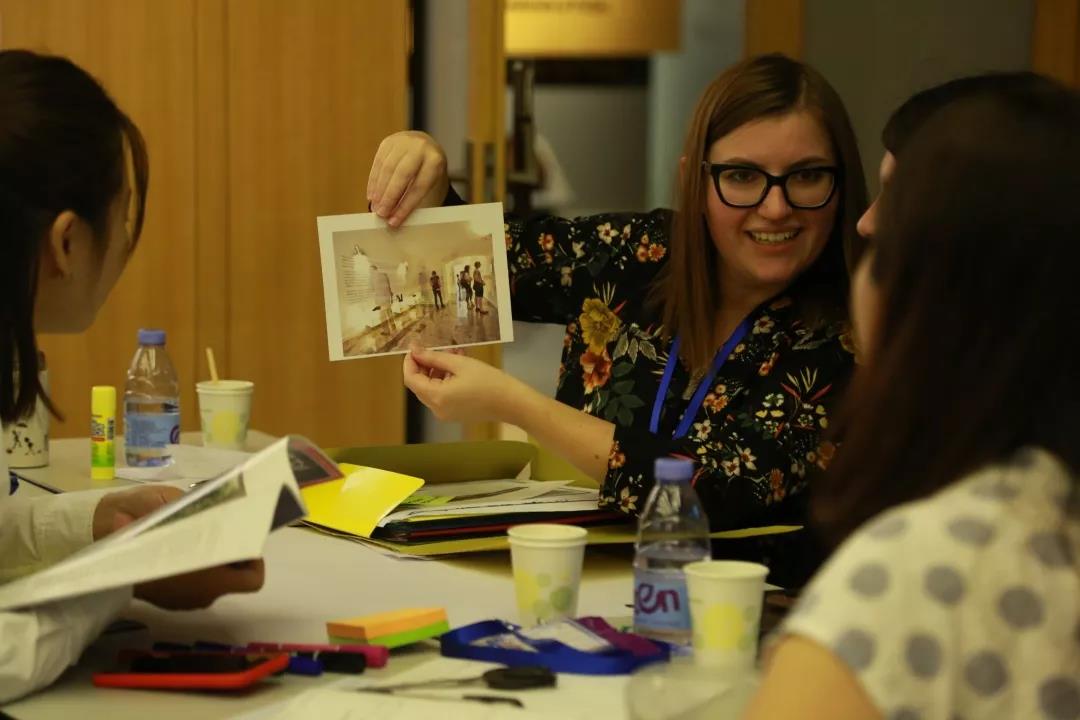
课堂精彩瞬间
本期培训班依旧延续了“展示汇报”环节。培训前,学员按要求制作幻灯片,简要介绍自己所服务的博物馆,该博物馆当前面临的一个宣传推广方面的问题,以及解决此问题的重要性。这个环节由一名中国学员和一名国际学员共同主持,学员按顺序上台发言。课程目的是让学员们通过展示汇报的方式,掌握向观众讲好故事的方法,同时增进学员之间的相互了解。
The “Show and Tell” session remained in this workshop. Participants were required to prepare a presentation prior to the workshop to briefly introduce the institutions they serve, one of their current branding problems, and why the problem matters. This session, co-hosted by a Chinese participant and a foreign counterpart, enables participants to express themselves and introduce the audience to their institutions. It aims to help participants master skills of telling good stories and enhance mutual understanding between participants.
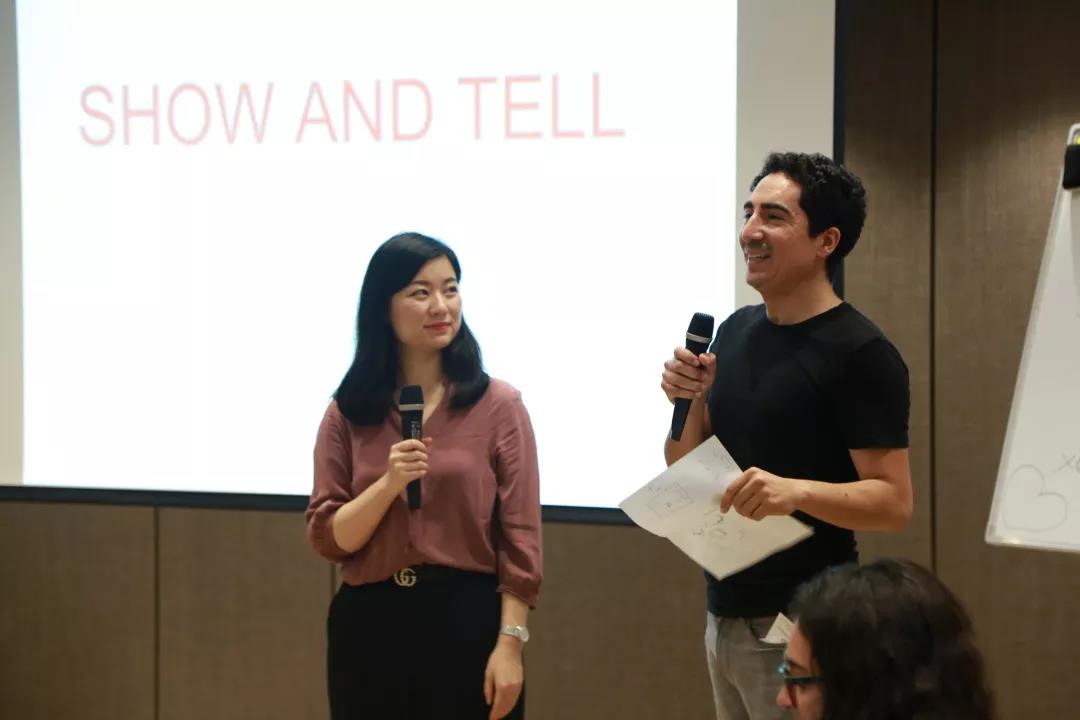
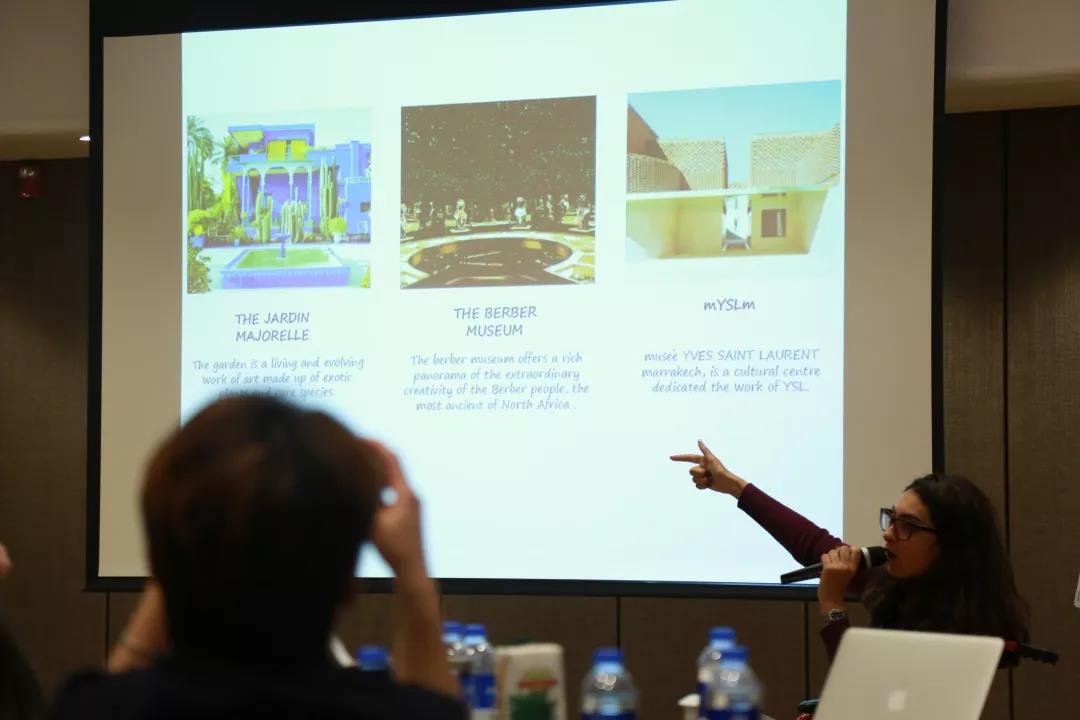
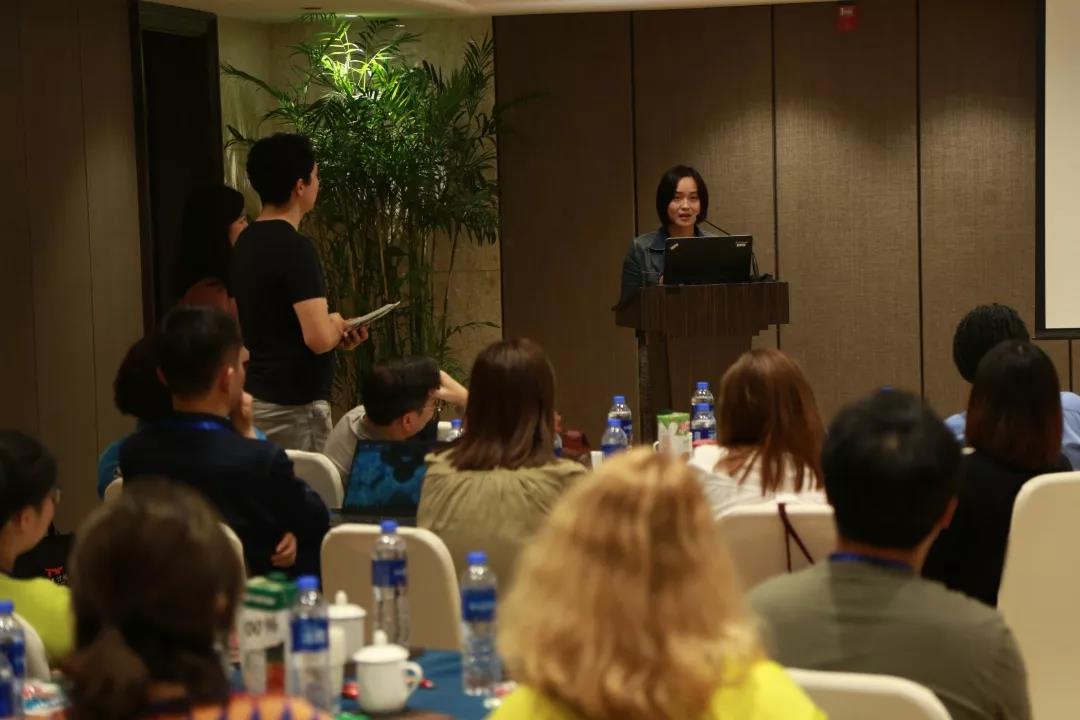
“展示汇报”环节
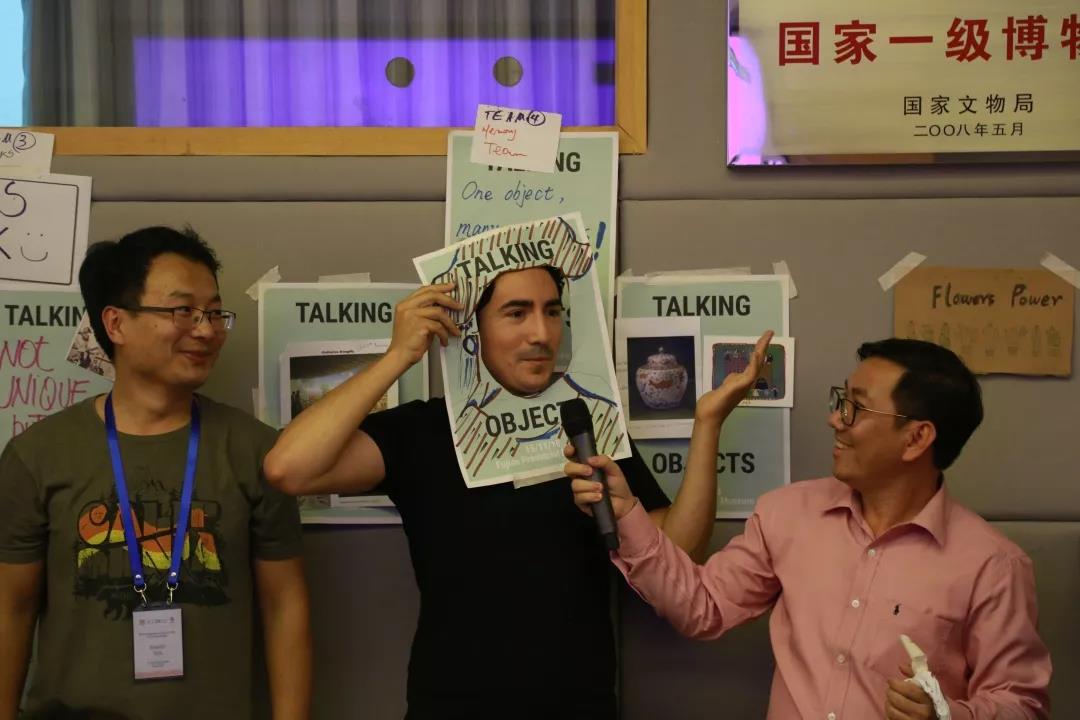
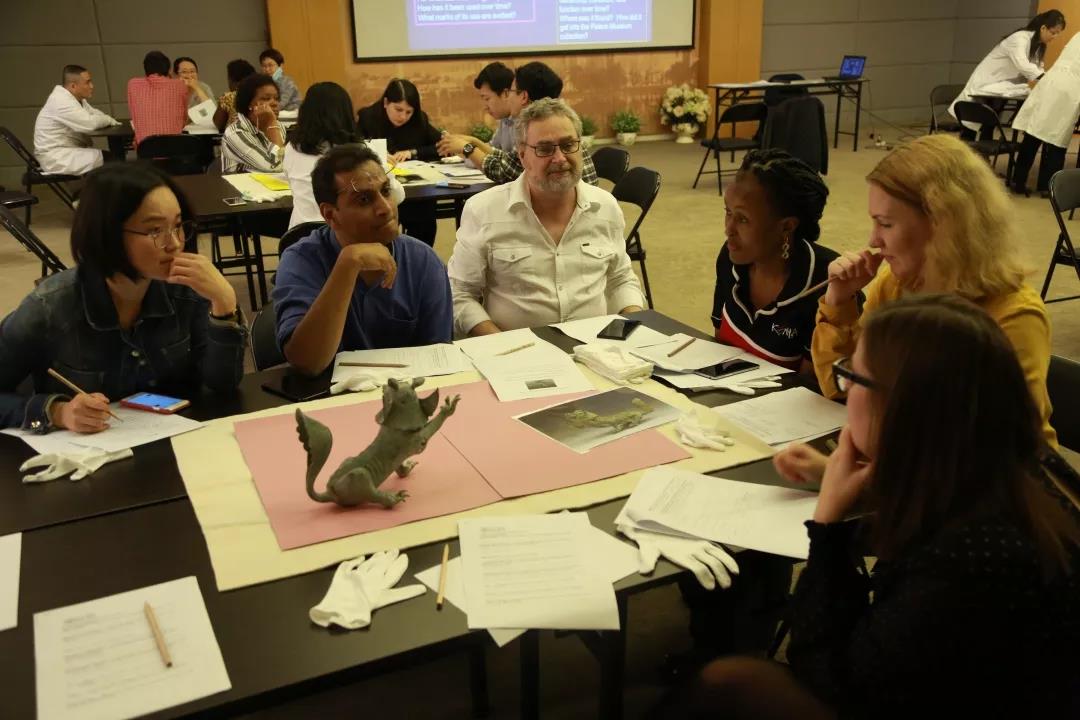
“藏品阅读”一直是培训班的经典课程之一,由加拿大专家克劳德·福贝尔授课指导。本期课程中选用的6件藏品均为福建博物院收藏的珍贵文物。学员们根据所选文物,分组阅读藏品信息,研究该藏品的年代、材质、功能,进行小组讨论,最后通过生动形象的形式为大家演绎藏品“故事”,让不会说话的文物都活了起来。
The “Reading Artifacts” is a classic session given by the Canadian expert Claude Faubert. The six artifacts selected in this session are all precious cultural relics collected by Fujian Museum. Participants chose the artifact they were most interested in and divided themselves into 6 groups to explore the artifact’s age, texture, function, etc. After group discussion, participants recounted the stories behind these artifacts through words, drawings and shows, which endows life to the silent objects.
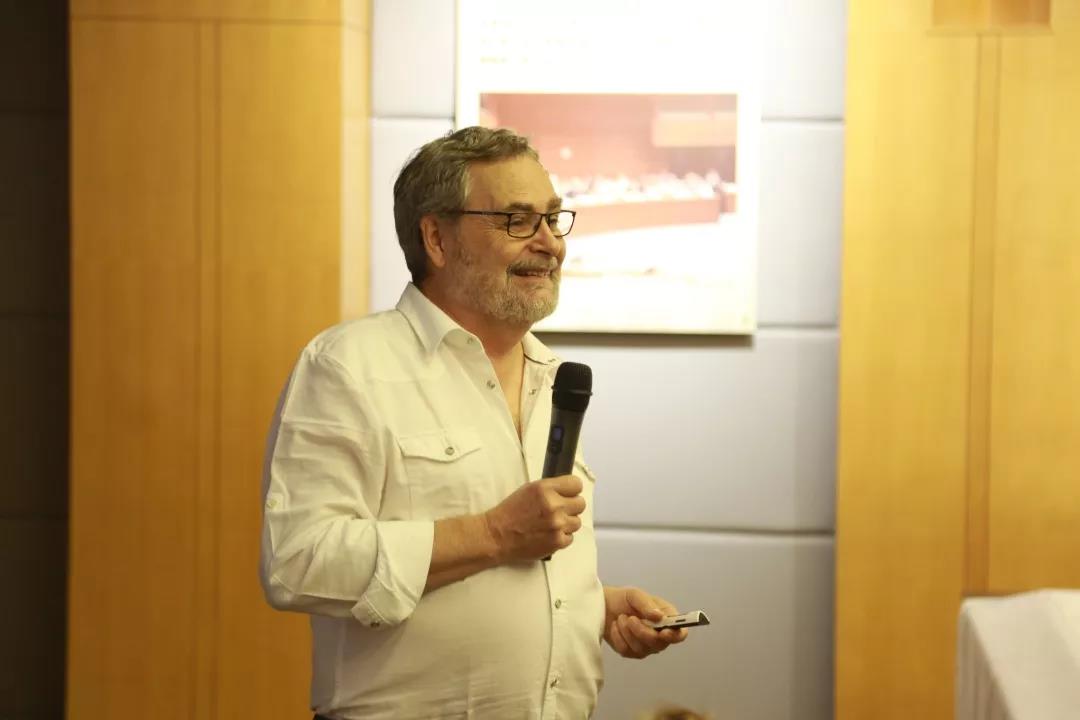
加拿大专家克劳德·福贝尔指导藏品阅读课程
本次培训还开展了丰富的课外实践活动,与课堂内容紧密结合。巴西专家路易斯将学员分为两组,一组在福建博物院内以普通观众视角参观,拍摄自己感兴趣的地方;另一组则在福建博物院周围社区,随机采访路人,完成100份调查问卷。这项活动是希望学员能够直接与观众对话,从而了解观众的真实需求和博物馆的现存问题。除了常规课程,专家和学员们还参观了福建博物院和福建省非物质文化遗产博览苑,观看福建地方戏曲演出,赴湄洲岛实地学习,在了解中国博物馆的同时,也充分体验当地传统文化。
The workshop also launched a series of practical activities associated with the sessions. The Brazilian expert Luis divided participants into two groups. One group took the perspective of a visitor and photographed what they were interested in Fujian Museum, whereas the other group randomly interviewed passers-by in the community around Fujian Museum and completed 100 questionnaires. Luis hoped that all participants would talk directly to visitors to better understand their needs and the existing problems of the museum. In addition, the workshop also led experts and participants to visit the local Intangible Cultural Heritage Museum and Fujian Museum, watch local operas, and took on a field trip to Meizhou island, in which ways they fully experienced local traditional culture.
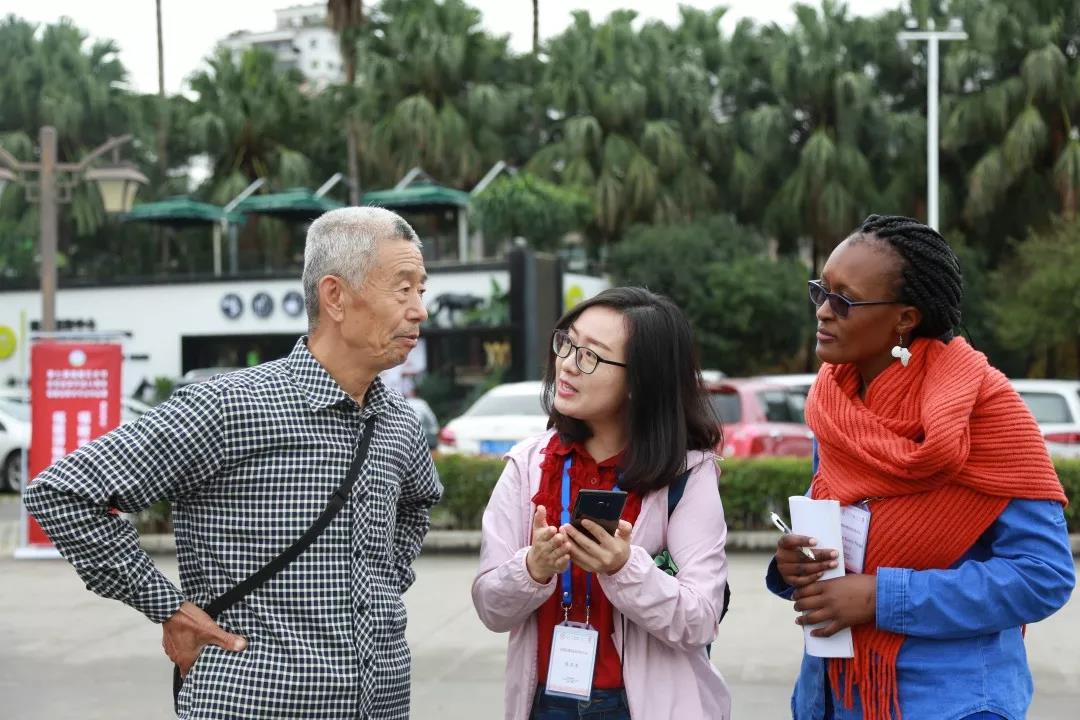
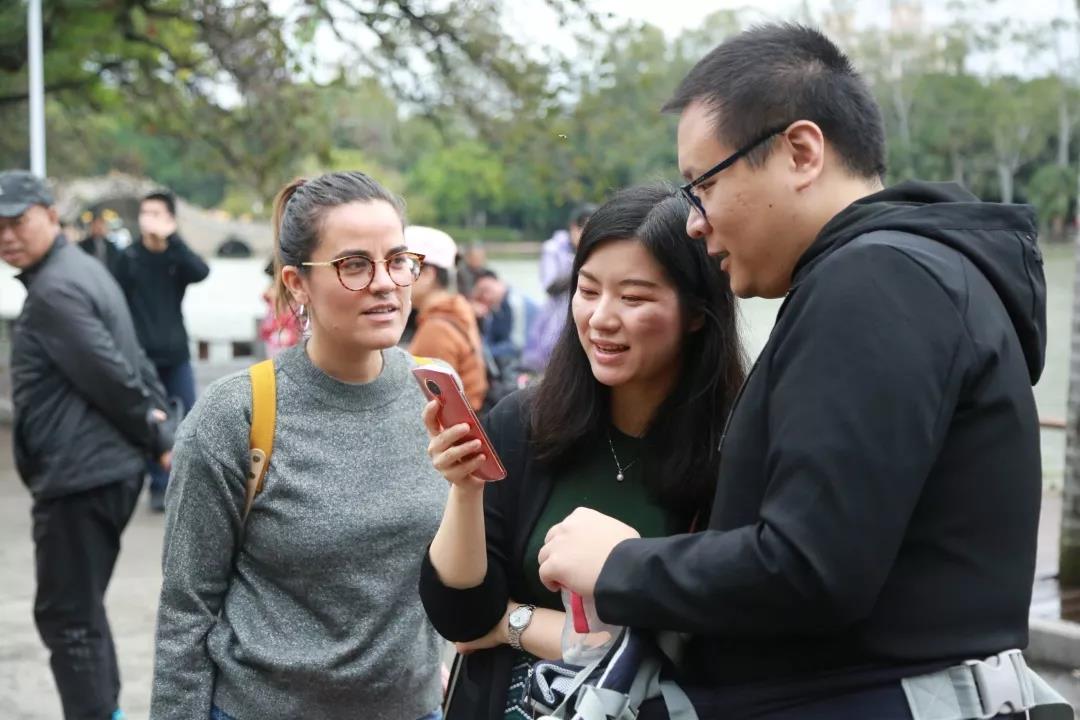
学员采访路人做调查问卷
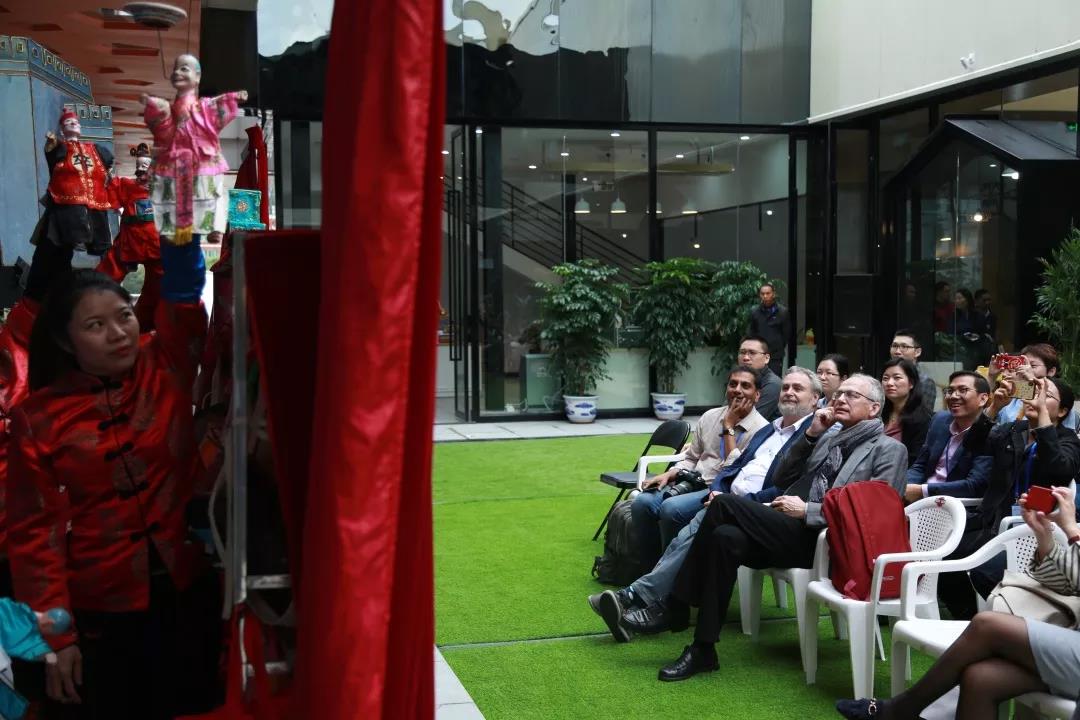
专家和学员观看福建地方戏曲演出
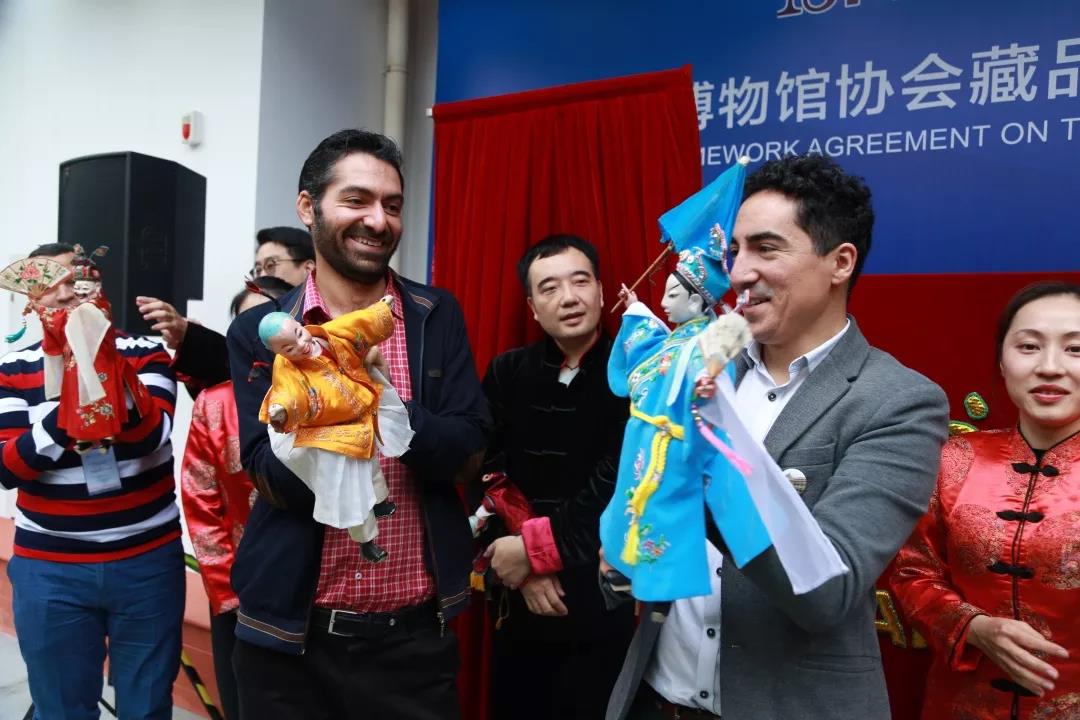
学员体验木偶戏表演
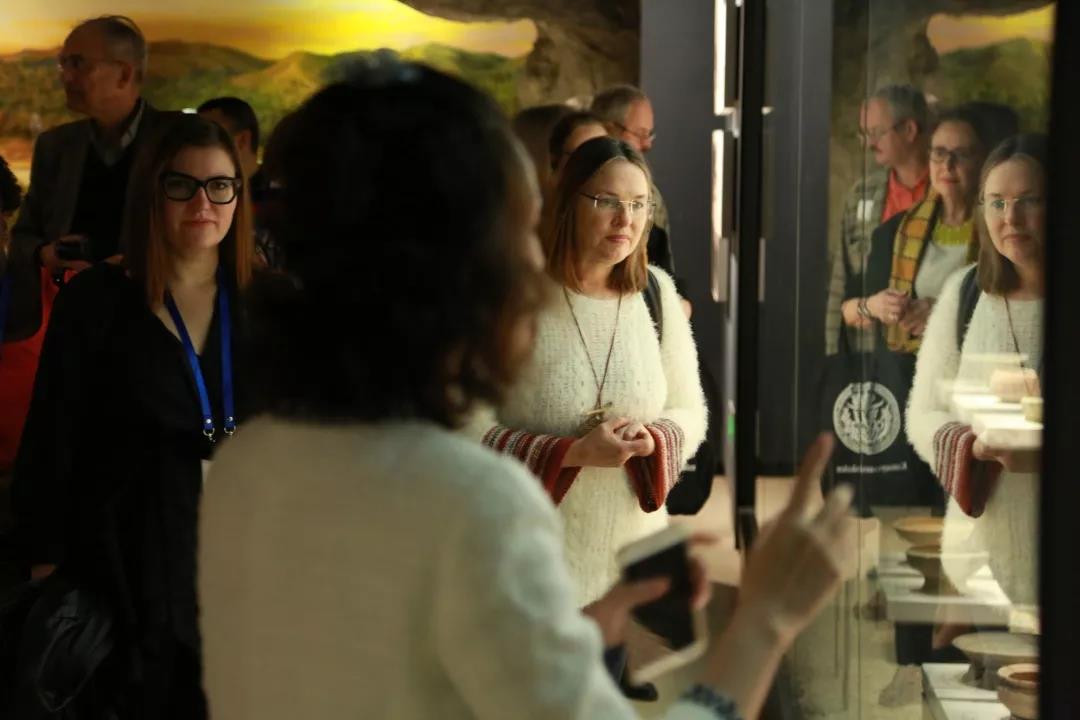
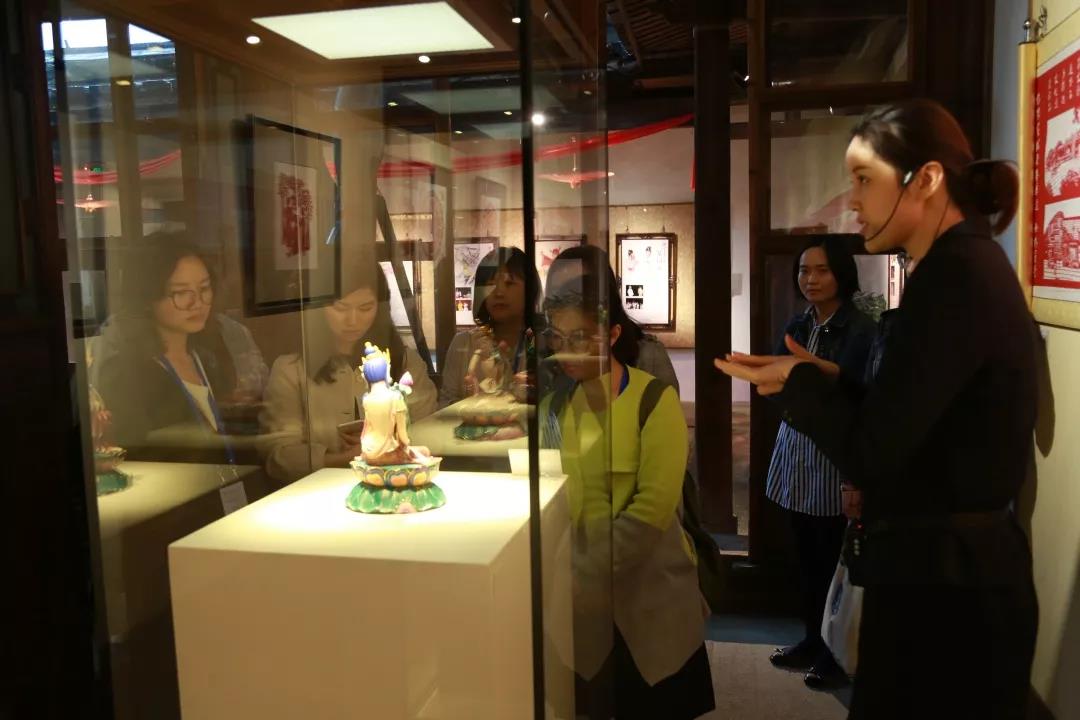
参观当地博物院
此次培训班的成功举办,得益于故宫博物院、国际博协、国际博协中国国家委员会和福建博物院的共同协作。今后,培训中心将继续开展丰富实用的主题课程,为博物馆同仁搭建良好的国际交流平台,提供博物馆领域最前沿的知识和信息,促进世界范围内尤其是亚太地区各国博物馆的蓬勃发展。
The workshop owes its success to the concerted collaboration of the Palace Museum, ICOM, ICOM China and Fujian Museum. In the future, the ICOM-ITC will continue to develop more diverse and practical themed training workshops, build an effective international platform for exchanges among museum professionals, and equip them with cutting-edge museum knowledge and information, which aims to promote museum development around the world, especially in the Asian-Pacific region.
 图书馆
图书馆
 视听馆
视听馆
 故宫旗舰店
故宫旗舰店
 全景故宫
全景故宫
 v故宫
v故宫